• My Account
  • Cart

Act Missouri

Act Missouri

stars
Taking ACTion to Build a Healthy Missouri
  • Home
  • Blog
  • About
    • Mission, Vision, and Ways We Can Help
    • Staff and Board of Directors
    • Archived Newsletters
    • Programs, Partnerships, and Alliances
    • Contact Us
    • Prevention Resource Center Locator
  • Resources
  • Advocacy
    • Distracted Driving Legislation
    • Prevention Stories
    • Capitol Basics
  • Caring Adults
    • Prevention Emeritus Awards
    • Community Coalitions
    • Prevention Resource Center Locator
  • PRCs
    • Mini Grants
    • Community Coalitions
  • Youth
    • Support Our Ambassador Program
    • Youth Ambassador Program
    • Prevention Resource Center Locator
  • Events
    • Speak Hard Youth Conference | March 18, 2026
    • Prom
    • Compassion Cures:Building Hope By Overcoming Stigma
    • Youth Safety Summit
    • Annual Prevention Advocacy Day – April 18, 2023
    • National Drug Facts Week | March 18-24, 2024
    • ACT Missouri Opiate Summit
    • Red Ribbon Week
    • Art of Prevention Contest!
  • SADD
    • saddtownhall
    • Prom
    • TST
    • SADD Programs
    • SADD in 60
Home | Blog

ACT Missouri proudly announces our 2018 Outstanding Youth Prevention Award Recipients!

At the Speak Hard Youth Conference, ACT Missouri and the Division of Behavioral Health honored some of our state’s most active and vocal prevention leaders.  Each of them received a plaque and a Senate or House Courtesy Resolution at the ceremony in the Capitol’s Rotunda.

Paige Anderson and Jennifer Hassler, from the Council for Drug Free Youth Coalition received the award for their exemplary involvement and service in prevention.  Paige is a student at Calvary Lutheran High School where she serves as the school’s SADD Secretary and assisted with Safe and Sober, It Only Takes One, Red Ribbon Week, and Suicide Prevention week.  She is a member of the Inklings Writing Club, Key Club, Future Teachers of America, LOGOS, GPSFLife, and FFA.  She lettered in Drama Productions and received the Earth Science and Ag Science Award.

Jennifer is a student at Helias Catholic High School where she is an active member and President of 4-H, the varsity archery team, head sports photographer, wrestling cheerleader, and Editor in Chief of the school’s newspaper.  She is a Kids for Wish Kids member and has granted the wish of a sick child by raising $5,000.  She is often seen distributing food at the local mobile food pantry and serving meals at Trinity Lutheran church. Jennifer is also an active member of the group supporting Operation Bugle Boy and our veterans.  Both students received a Senate Resolution from Senator Kehoe in his office.
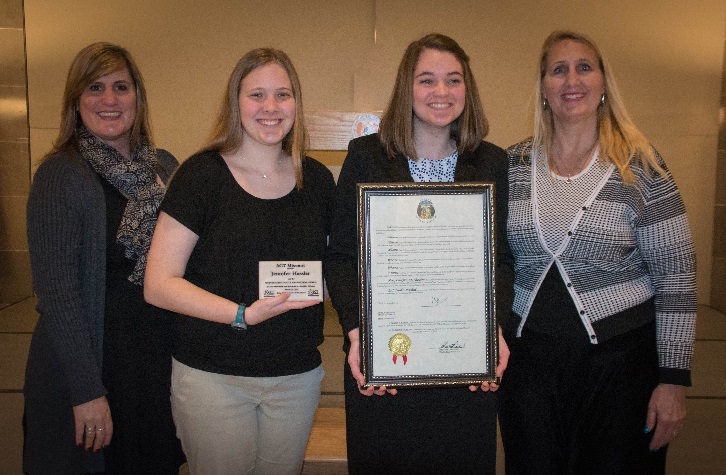
Melle Richardson, Jennifer, Paige, and Joy Sweeney, Executive Director of CDFY

Two of the winners are members of the Jefferson County Drug Prevention Coalition.  Shelby Coleman, from Fox High School, is active in the Jefferson County Teen Advisory Board (TAB), Honor Integrity Inclusion and Pride (HIIP), DECA, and National Honor Society.  She won the Mental Health Advocates’ Leadership Excellence Award at Missouri DECA State Career Development Conference.  She aspires to be the best person she can be, chooses a drug-free lifestyle, and is an excellent student and role model.

Brittany Dake is active in the Jefferson County Teen Advisory Board, Windsor SADD, and Girl Scouts.  She has attended Speak Hard, Teen Institute and was an intern at NCADA’s Prevention Leadership Conference.  She is a CADCA certified trainer for Scholastic’s Over-the-Counter Medicine Safety Program.  She volunteered with the Youth Cardboard Box Challenge other various work with her school, extra-curricular activities, and church.  Both students were presented Senate Courtesy Resolutions from Senator Wieland in his office.
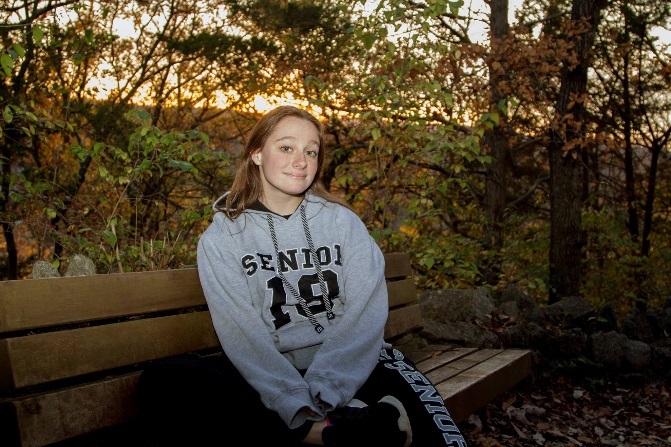
Winners from the Morgan County CLEAR Coalition were Anna Knoerle and Grace Unger.  Anna began work with Morgan County CLEAR as an eighth grader and won their contest with her poster, “Keep on Jokin, Don’t Start Smokin”; which was used throughout the county to reduce tobacco use.  She is actively involved with Tobacco Free Youth and attended their Youth Summit.  She delivered prevention messages to peers during National Drug and Alcohol Facts Week and Smoke-Free Indoor Air programs to middle school students, Head Start parents, and other community groups. She presented “Youth Led School/Community Health Change” at the Missouri School Consolidated Health Conference.  She is a SADD Officer, member of the Chamber Choir, Distributive Education Clubs of America, Student Council, Fellowship of Christian Athletes, BETA, an A+ tutor, and her school’s softball, basketball, and track teams.

Grace Unger is a member of Morgan County Tobacco Free Youth, Morgan County C.L.E.A.R, and the Taking Down Tobacco project.  She serves as her school’s Basketball Manager, Softball Manager, and was honored with the Community Theater’s Student of the Month, and Tobacco Free Missouri’s Outstanding Youth Leadership Award with the group.  She is a passionate advocate that works hard to get the message out about the dangers of smoking and secondhand smoke.  She is an outstanding speaker and is not afraid to share her fact-cited thoughts on the subject.  Her strong will and determination will certainly assist in making the community smoke-free.

The Morgan County Tobacco Free Youth Coalition also received the award for their extraneous efforts to pass clean indoor air policies.  Morgan County Tobacco Free Youth have been working for four years to educate about the risks of tobacco use and secondhand smoke and enact policy changes by:  collecting signatures of support, distributing information, creating PSAs and posters, presenting to city council and mayors, collecting tobacco trash to demonstrate the scope of the problem, and conducting surveys.  Several members developed and presented a session at the Annual Coordinated School Health Conference entitled, “Youth Lead School/Community Health Change”.
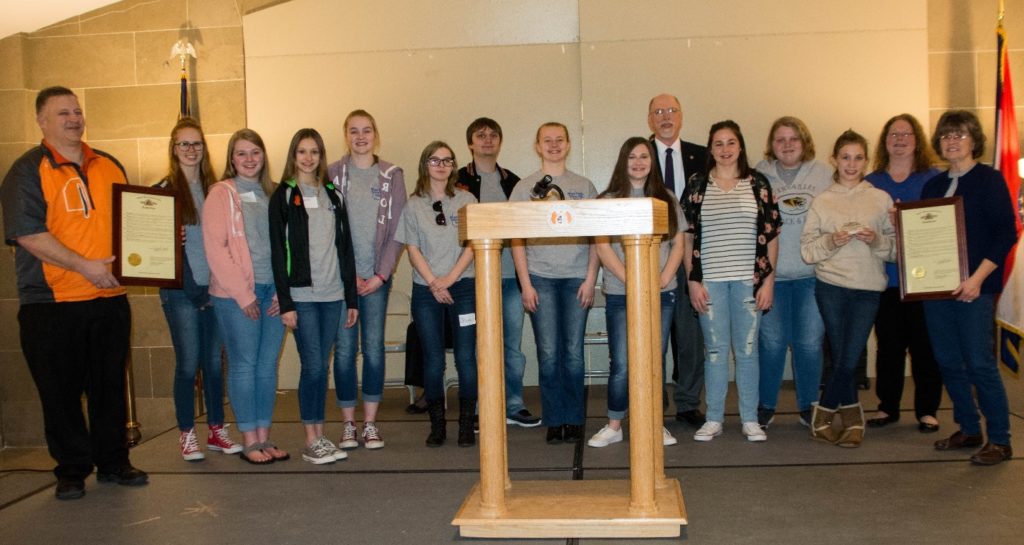
Representative David Wood attended the ceremony and provided House Courtesy Resolutions to Stover and Versailles High Schools for their smoke-free advocacy.

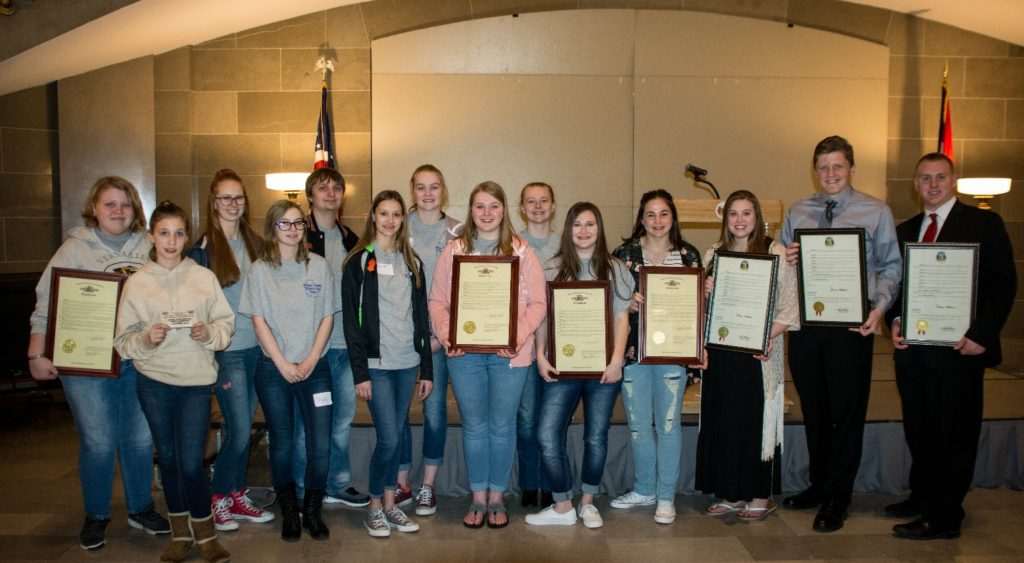
Five members of the Youth with Vision Coalition in North Kansas City were recipients of this prestigious award.  Several received Courtesy Senate Resolutions from Senator Denny Hoskins, and Representative McGaugh presented her constituents with an official Missouri State Flag that had been flown over our Capitol.

Caitlyn Bohanan is the founder of her school’s Hornet Pride; a mentor/trading card program that connects high school students with middle elementary students to talk with them about good choices and staying drug free.   She advocated with area Senators and Representatives about the effects and dangers of tobacco, prescription drugs, and the legalization of marijuana. She volunteered her time to perform retailer compliance checks and produced public service announcements.  She is a volunteer coach for the Northland Chiefs Cheerleading Association, Synergy Domestic Violence Center, Gladstone Theater in the Park, and academic tutor for middle school and elementary students.  She received the first youth “Leadership in Prevention” award at the annual Northland Prevention Conference and was selected for Fox 4’s “Reaching for Excellence” Young Achievers Feature.  Representative Noel Shull provided House Courtesy Resolution in her honor.


Adones Eskew is also involved with Lawson’s Coalition in Action (CIA) and is passionate and dedicated to his school and community’s prevention efforts.  He volunteered to attend the Northland Leadership Conference, Prevention Day, and the Northland Prevention Conference.  Lawson’s CIA campaign, “How Full is Your Cup?” was a tremendous success and shared at the Northland Prevention Conference for other schools and organizations to learn from.  He also has earned varsity letters for athletics and academic awards.
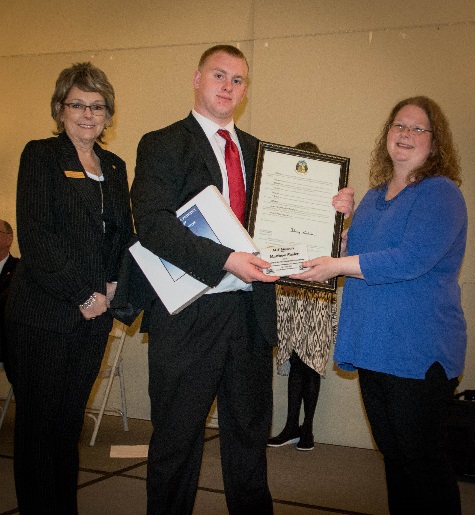
Piper Killingsworth is also an active member of Lawson’s Coalition in Action (CIA) and has been involved in her school and community’s prevention efforts.  She volunteered to attend the Northland Leadership Conference, Prevention Day, and the Northland Prevention Conference. She participates in student leadership, countless clubs and school activities, and is the recipient of numerous academic and leadership awards; including college scholarships.

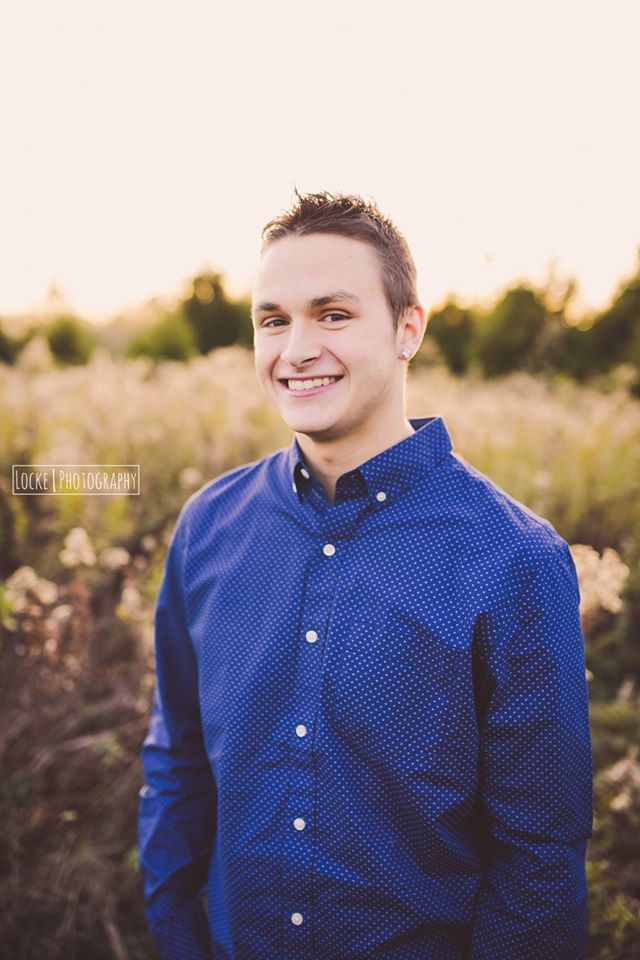
Jace Robinson has been a committed member and leader of Youth with Vision (YWV) for the past four years; currently serving as its Education Chair.  He has also been a vocal advocate at the annual Prevention Day and other local events, speaking with state legislators on issues that impact youth. He has also worked on a variety of educational campaigns and PSAs, spreading the prevention message in the three-county area.  He assists with YWV’s two annual fundraisers: Mud Mania and Bunco Mania. He is on the Varsity Soccer and Track teams and plays on a competitive club soccer team.  His involvement in church includes serving as a Vacation Bible School helper, and he participated in the Missouri Chamber of Commerce Leadership in Practice Program.

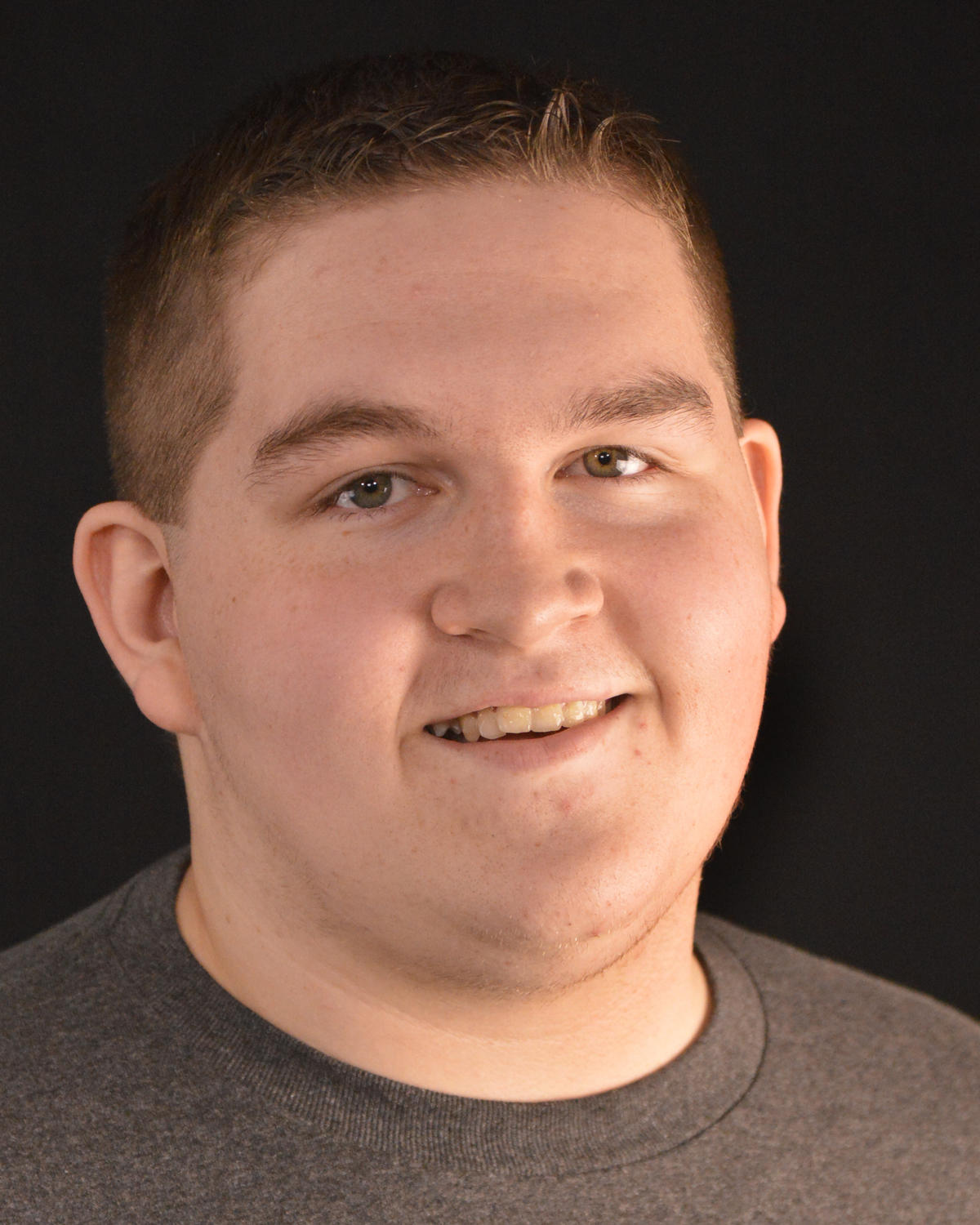
Matthew Shafer joined YWV more than a year ago and attends monthly meetings and events.  He attended Prevention Day at the Capitol and was a lead speaker; sharing our legislative priorities with our Representatives and Senators.  He also volunteered his time and worked with his school to obtain permission to attend the Northland Prevention Conference in March 2018.  Matthew is very active in his church and spends endless hours in volunteer and community service.  He successfully completed and is certified as a paramedic and EMT as a senior in high school.
Honoring Our Veterans

“The willingness with which our young people are likely to serve in any war, no matter how justified, shall be directly proportional to how they perceive veterans of earlier wars were treated and appreciated by our nation.” — George Washington

As we honor our nation’s heroes this week, the words of our first president still resonate today with astute clarity. We have made major improvements in how our veterans are treated and appreciated over the years, but as long as we have homeless, addicted, mentally ill, and incarcerated servicemen, this mission is far from complete.


This infographic provides a great snapshot of Missouri’s service members, veterans, and their families; representing 9.3% of our state’s population. It also demonstrates the work that still needs to be done to improve the quality of life for the military community. Several state departments are diligently collaborating and working to swing the troublesome pendulum towards the positive.

Veteran’s Treatment Courts are making impressive strides in getting some of our most vulnerable on the road to recovery. By utilizing volunteer veterans and active duty soldiers as mentors, our veterans feel open to discuss military specific issues and receive the special guidance they need. This model, which is nationally recognized, crosses the traditional jurisdictions of our state’s Courts and Probation offices.


There are currently 10 Veteran’s Treatment Courts active in Missouri; up from 1 since its inception in 2010. In 2016, 247 veterans received the substance use treatment they deserved and needed. Since 2010, the number of veterans served has increased significantly each year, and 706 of our soldiers struggling with substance use disorders have participated in the program.


For other behavioral health issues, our military families can access resources from the Department of Mental Health. These include self-assessment screening tools and information for children, traumatic brain injuries, substance use, sexual trauma, and PTSD. Download this fact sheet from the Division of Behavioral Health and the Missouri Behavioral Health Alliance.

At Make the Connection, they can find resources that connect veterans, their families and friends, and other supporters to information, stories, and solutions to issues affecting their lives as they transition from active duty. It also has information about the life events and experiences that are unique to this population.

President Obama exclaimed: “It’s about how we treat our veterans every single day of the year. It’s about making sure they have the care they need and the benefits that they’ve earned when they come home. It’s about serving all of you as well as you’ve served the United States of America”.


These book-end presidents’ words remind us all to do our part and take action to serve those that served us.


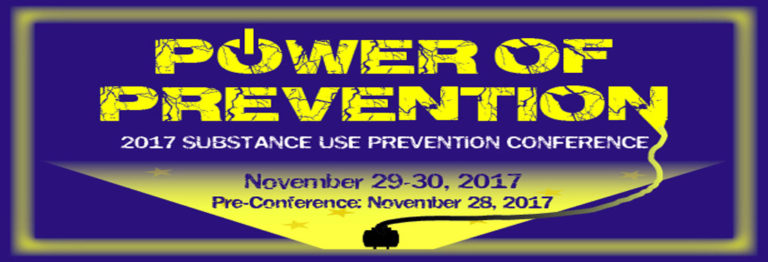
How Does Attending the Missouri Substance Use Prevention Conference Benefit Me?

Most people know about Substance Use Disorders (SUD) because the disease has affected their lives in some way, but very few people know about the Power of Prevention.  ACT Missouri asked a few former conference attendees to describe how attending our conference benefits them in their varying professional fields.

Law Enforcement’s involvement in coalition work is essential to a well-balanced approach to community change.  They see first-hand the havoc and devastation that SUDs cause to individuals, children, families, and communities, so it is important that they also have the first hand in prevention. 

“The conference broadens an officer’s knowledge of how prevention and treatment strategies work so they can find other solutions to community problems.”  Sgt. Larry Stobbs, St. Joseph Police Department

The Faith Community is also an important part of the prevention solution, and faith leaders can be very instrumental in helping struggling individuals find healing through spirituality and acceptance. 

“Attending the MO Substance Use Prevention Conference, not only has a wealth of resources for how to help individuals, families and communities, it also provides basic, fundamental information that is easy to understand.  Therefore, by attending this conference faith leaders can educate themselves around what Substance Use Disorders are and how best they can assist and support their communities.  Armed with this information, faith leaders can now support their communities without the stigma of shame that often prevents or at best delays the help that is needed.”  Reverend Darren Faulkner

“I believe the conference would be valuable for a representative from any church looking to make a difference in their community. Many churches, especially in smaller or rural communities, have limited resources, but they do have some resources! That makes it vital to see what others are doing and get ideas for ways they can contribute.  Maybe they have a classroom that is only used on Sunday morning and another group needs a place to meet, or maybe retirees in the church would make good mentors. Churches must realize that the people who most need help are probably not just going to show up at church on their own, but if churches are visible and partnering in the community, faith-based solutions are an important part of the community conversation. Bringing people together at the conference is a wonderful way to get the wheels turning.”   Cynthia Thomas, The General Council of the Assemblies of God

Educators spend all day with our youth and play a vital role in building resiliency and increasing protective factors. 

“The 2016 Substance Use Prevention Conference was excellent.  Most of the workshops were appropriate and informative for those in public education.  This conference also provided the opportunity for professionals from different fields but with the common goal of improving the lives of children to network and learn.” Tommy Geeding, Nevada High School

Those who work in Juvenile Justice see how family substance use manifests in generational behavioral health complications and issues. They also can make a lasting difference for a young person in helping them to make positive choices to change the direction of their lives. 

“Attending the Prevention Conference allowed me to bring back new ideas and information on how to address certain cases in various towns within the county I work in. Not every case is the same, so having new ways to approach situations is very beneficial, especially when working with juveniles. These new ideas and information have also been passed along to the various towns in the county I work in, which has limited resources, and has benefited the communities a lot as the schools and police departments have been able to work on new and improved prevention programs within their respective towns using this new information.” Christine Hannis, Deputy Juvenile Officer

These are only a few spokes on the Community Wheel that make successful prevention initiatives and coalitions.  Please invite these other sectors to join the Power of Prevention:  youth, parents, business and industry, media, fraternal and civic organizations, and healthcare professionals. Attending our conference is a fantastic foundation for the village it takes to raise strong, substance-free children!

April Drug Take Back – News From Around the State

Missouri Communities “Take Back” Unused Medications

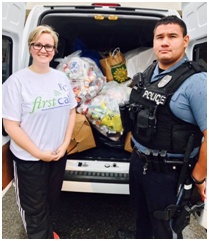
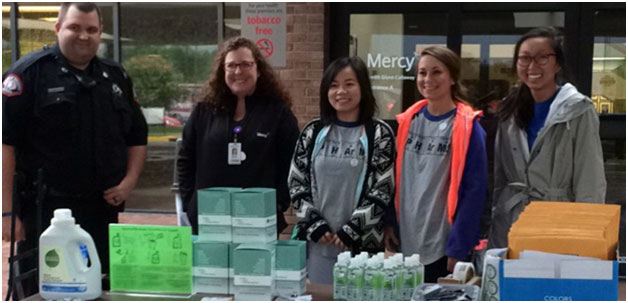
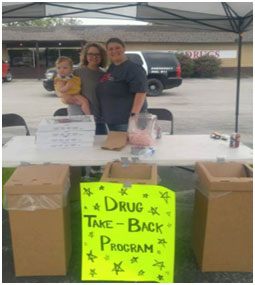
Numerous communities around the state took advantage of National Prescription Drug Take Back Day on April 29th. The DEA sponsored Take Back events provide an excellent opportunity to bring together community partners and law enforcement, educate the public about the scope of prescription drug misuse, and most importantly, get dangerous medications out of the hands of our vulnerable youth.
According to the National Institute on Drug Abuse,
“Prescription drug misuse has become a large public health problem, because misuse can lead to addiction, and even overdose deaths. For teens, it is a growing problem:

  • After marijuana and alcohol, prescription drugs are the most commonly misused substances by Americans age 14 and older.
  • Teens misuse prescription drugs for a number of reasons, such as to get high, to stop pain, or because they think it will help them with school work.
  • Most teens get prescription drugs they misuse from friends and relatives, sometimes without the person knowing.”

In Missouri, 10% of students have misused a prescription drug in the past 30 days. Nearly 30% report that they are “very easy” or “sort of easy” to obtain, and 31% state that they got the drugs from a family or friend; 13% of whom did so without permission. Another reason to prevent prescription drug misuse, especially opioid pain killers, is its connection to heroin addiction; in fact, nearly 80% of heroin users started with prescription opioids.
One very effective medication misuse prevention strategy is to reduce access, and the DEA sponsored Take Back events are a perfect vehicle to collect unused medications and dispose of them in an environmentally friendly manner.
The DEA’s St. Louis Division includes Illinois, Iowa, Kansas, Missouri, Nebraska, and South Dakota. In the past eleven take backs since October of 2011, MO has disposed of 669,250 pounds of medication; 48% of the total collected in the six-state region! In the most recent event on April 29th, MO turned over 36,948 pounds of medication to the DEA for disposal.
Missouri’s Prevention Resource Centers provided some highlights of the events their service areas hosted. In the north-central region, the Linn County C2000 Coalition collected ten pounds, and the neighboring city of Trenton added an additional 15 pounds.First Call

In the Kansas City area, First Call collected multiple bags of unused drugs to turn into the DEA for disposal.

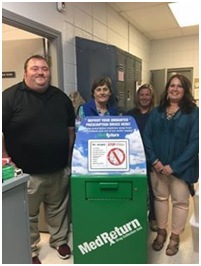
In Platte, Ray, and Clay counties, all twelve of their Permanent Prescription Drug Drop Boxes participated in the event, and the most rural area in the Tri-County Mental Health region collected almost 700 pounds in a six-month time frame.
Boone County offered 8 locations for disposal; four within the city limits of Columbia, and four in the surrounding towns of Ashland, Centralia, Hallsville, and Sturgeon. Jefferson City’s Police Department accepted unwanted medications in their lobby.

In the Springfield area, six pharmacies hosted events, and despite torrential downpours, they collected a total of 1,727 pounds; their third largest amount to date!

In the Southeast, the Perryville Police Department collected 35 pounds. The Cape Girardeau County Sheriff’s Office and the Jackson Police Department also hosted Take Backs. Excessive rain and flooding caused two cities in the region to cancel their events.
The SEMO Behavioral Health region hosted three events and collaborated with the Bernie Police Department and Chamber of Commerce. The Dexter and Poplar Bluff Police Departments turned over 160 and 174 pounds respectively to the DEA for safe disposal.SEMO Behavioral health drug take back

One of the latest Missouri communities to place a Permanent Prescription Drug Box was in the Bootheel region in East Prairie, and despite only being open for two days, the community got the word out and collected a substantial amount of prescription drugs.

These are just a few of the highlights from around the state. If your community hosted an event, please share it with us on Social Media! If you are interested in hosting a Take Back in your community, contact ACT Missouri.

Help Your Community Shine!

One of the most gratifying aspects of being from Missouri is our strong sense of community.  We handle diversity and uniformity, adversity and opportunity, victory and disappointment with a united front.  Even though no two of our communities look alike, what binds us together to tackle tough issues is our concern for the well-being and health of our neighbors, especially the most vulnerable, our youth.

Achieving optimal community wellness requires taking a good, scientific look at its behavioral health.  Some of the most critical social crises our citizens face are ancillary effects of substance use, mental illness, or a combination of the two.  The Missouri Student Survey is one of the simplest methods to collect anonymous data from your students.  With these data, your community can assess needs, identify resource gaps, work together to solve its behavioral health disparities, and celebrate its strengths.

It is entirely free for school districts and can be completed online in one class period.  No individual school’s information is ever made public; however, school districts do receive a private report of the survey’s findings.  In addition, your community can use this information to plan prevention and intervention strategies, apply for grants, plan a media campaign, and improve overall wellness.

If your county or school district does not currently participate, encourage them to do so today by sharing this resource.

Read the 2016 MSS Report.

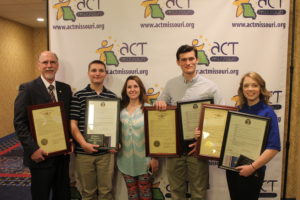
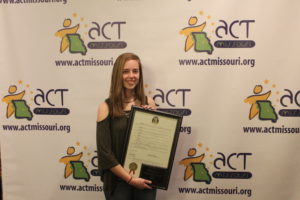
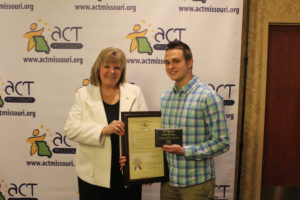
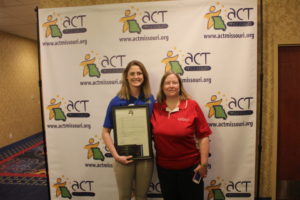
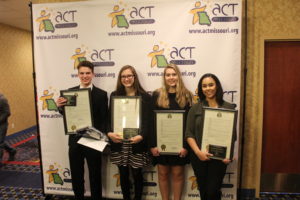
2017 Outstanding Youth Prevention Award Winners

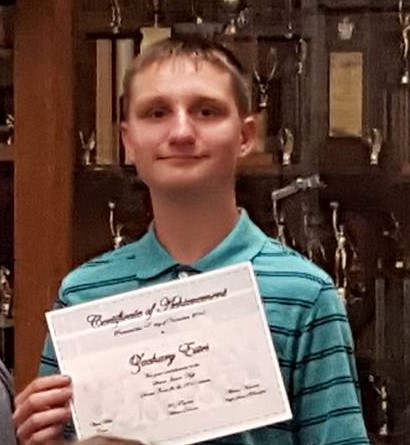
Each year, coalition leaders throughout the state nominate youth for the Outstanding Youth Prevention Award with an essay highlighting their community service and extra-curricular activities.  The 2017 awards were presented on March 8, 2017 as part of the 13th annual Speak Hard Youth Conference in Jefferson City.  The award honors youth that have made a commitment and significant contribution to prevent underage drinking and substance use in their communities.

  • IMG_8745
  • IMG_8746
  • IMG_8749
  • IMG_8753
  • IMG_8755

Zachary EstesSamantha Gunn
Hope HeimsothColby Kramer
Paige MaxwellDustin Price
Quinton RyersonTaleasa Sapper
Gunner SmithYouth With Vision

Media Alert: 2017 Speak Hard Youth Conference


Media Alert
Contact: Natalie Newville
573-635-6669 (office)
660-596-9578 (cell-day of event)
nnewville@actmissouri.org

13th Annual Speak Hard Youth Conference Held in Jefferson City

Why: Speak Hard has given youth the opportunity to learn about underage drinking, substance abuse, and prevention since 2005.  Once again Missouri teen voices will unite at the State Capital to attend workshops, march to the Capitol, and visit with legislators.  A highlight of the day will be an Outstanding Youth Prevention Award ceremony, honoring teens from across the state who have proven to be dedicated to prevention.

What: A wide array of experts will present on substance abuse and prevention topics, including several youth presenters.  Kyle Scheele, the 2017 keynote, is a professional youth speaker, amateur beard grower, and full-time adventurous life-liver.  But Kyle isn’t like any speaker you’ve seen before. Rather than lecturing students with a list of what NOT to do, Kyle shows students how their lives will be defined by the things they DO: the actions they take, the people they help, and the lives that they change.

At noon, teens from across Missouri will be honored with the 2017 Outstanding Youth Prevention Award.

When: Wednesday, March 8, 2017, 8:00am-2:30pm

Where: Capitol Plaza Hotel, 415 W McCarty St, Jefferson City, MO

Visit the Speak Hard page for more information on the event.

2017 Speak Hard Keynote Announced

Kyle Scheele is a professional youth speaker, amateur beard grower, and full-time adventurous life-liver.

But Kyle isn’t like any speaker you’ve seen before. Rather than lecturing students with a list of what NOT to do, Kyle shows students how their lives will be defined by the things they DO: the actions they take, the people they help, and the lives that they change.

Through side-splitting humor and personal stories from his own life, Kyle shows students how to overcome the difficulties in their lives in order to tell amazing, incredible, world-changing stories.


Don’t miss out on the 2017 Speak Hard Youth Conference! Register today!


Tips for Talking to Your Legislators

Political transition years call for creative, informed and active advocacy.  Individuals can make a difference in the policy process by having a strategic plan, forming a professional relationship with their elected official, and showing passionate concern and articulation of your issue.  By following these fundamental steps, you can be an agent for change.

  1. Plan your strategy

You may only have a small window of opportunity to speak to the Legislator, so it is imperative that you have a well organized approach.  Know your own organizations’ goals and objectives following the “SMART” criteria (Specific, Measurable, Achievable, Realistic, and Timely), formulate your position on the issue, research the Legislator’s background; including how they have voted on similar issues, and explain why your issue should be a priority.

  1. Make an Appointment a week in advance

Legislators are extremely busy and other advocates and lobbyists form a constant parade in and out of their offices.  Contact their secretary, state your name and organization, explain the purpose of your visit, identify who will attend, and be flexible on the timing.  Invite their staff to participate in the meeting to enhance your rapport with that office.

  1. Be punctual, patient, and persistent

Their schedules are hectic and ever changing, so be prepared to wait, ask where to locate them in the Capitol if they are not in the office at your scheduled time, and be willing to reschedule.  If it becomes certain that your Legislator will not be able to keep the meeting, simply sign the visitor’s log and ask to reschedule.

  1. Memorize your script

You should rehearse your message and the questions you want answered and be able to communicate succinctly in less than two minutes.  Leave related materials including a one-page fact sheet, brochures about your organization, and your contact information with the staff in case they have questions or need additional information after your visit.

  1. Make a formal introduction

When you do have the opportunity, introduce yourself and your organization, explaining how it empowers your constituents and communities.

  1. State your case and ask for a commitment

You have a limited window of opportunity to express what you want and become their expert on the subject, so make your statement concise, honest, and persuasive.  Use data and personal stories from their district to demonstrate credibility and gain acceptance.  If there is a bill you want to educate him or her on, have a copy of the bill ready.

  1. Show your appreciation and dedication by following up

Immediately following your meeting, you should send a thank you letter that reiterates your issue, acknowledges their dedication to their constituents, provides any information or clarification that was asked for during the appointment, and offers your future assistance.

  1. Do not lobby

As a non-profit organization, you must be careful not to cross lobbying lines.  You can educate on your issue, but you cannot “call to action” (Alliance for Justice) by asking them to vote yes or no on a bill.  For more information on lobbying and advocacy, visit www.allianceforjustice.org.

  1. Don’t get discouraged

Making policy change and building rapport requires time and effort.  It will take several visits, possibly sessions, to establish a relationship, make your points heard, and become the expert to your elected official.  You should alternate your contact with calls, visits, and letters.  Persistence, integrity and passion will make you a successful advocate for change.

  1. Ask for support

Do not let an opportunity to provide information pass by because you are unsure or uncomfortable.  Be courageous enough to ask for support from professionals in your arena when you are in doubt.  Feel free to call ACT Missouri for support on issues surrounding advocacy.  Having support will boost your confidence and enhance your relationship with the Legislator you are working with.

Speak Up, Speak Out, Speak Hard:  A Primer on Effective Advocacy Strategies, ACT Missouri, 2009

Meet the 2017 Youth Ambassadors

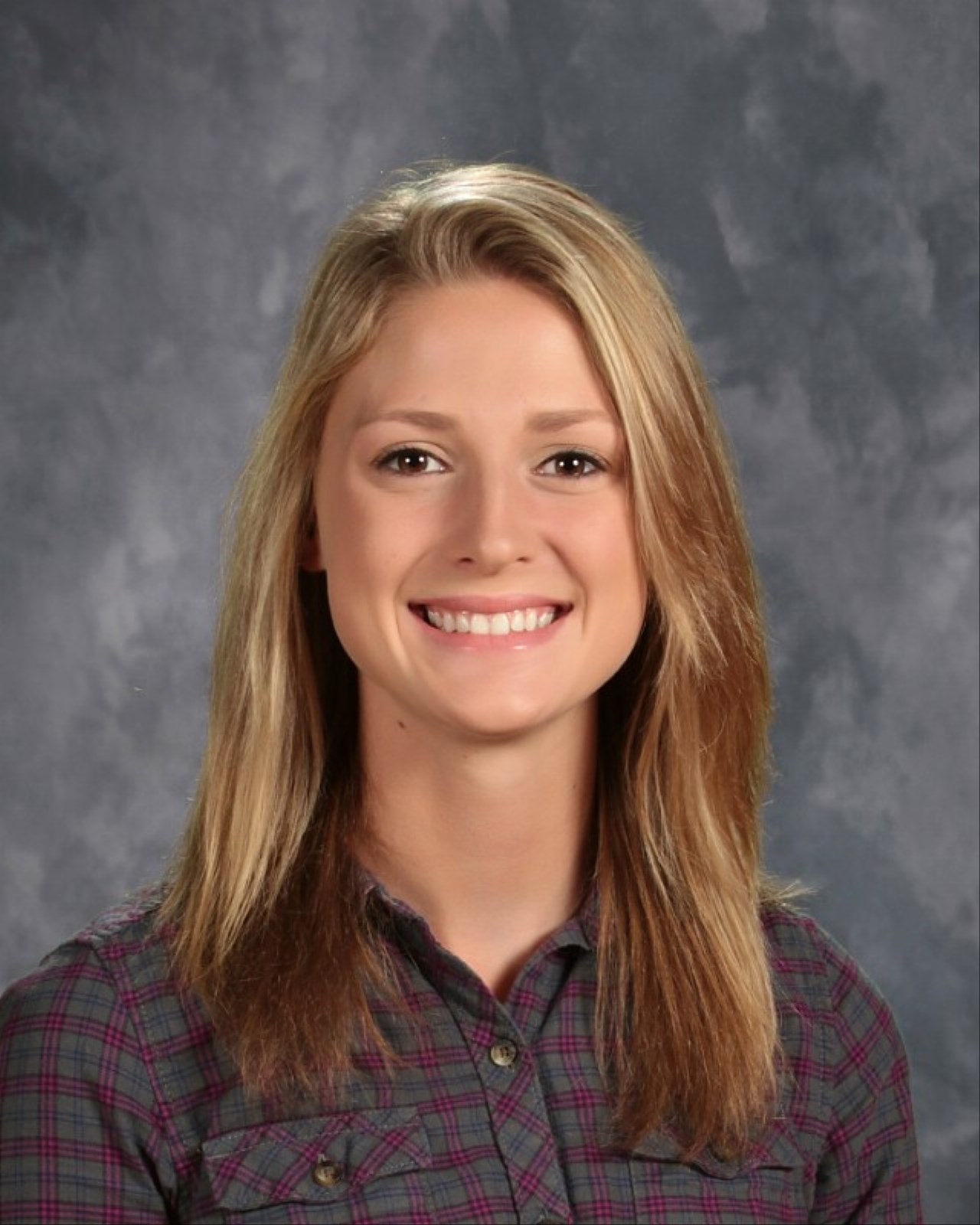
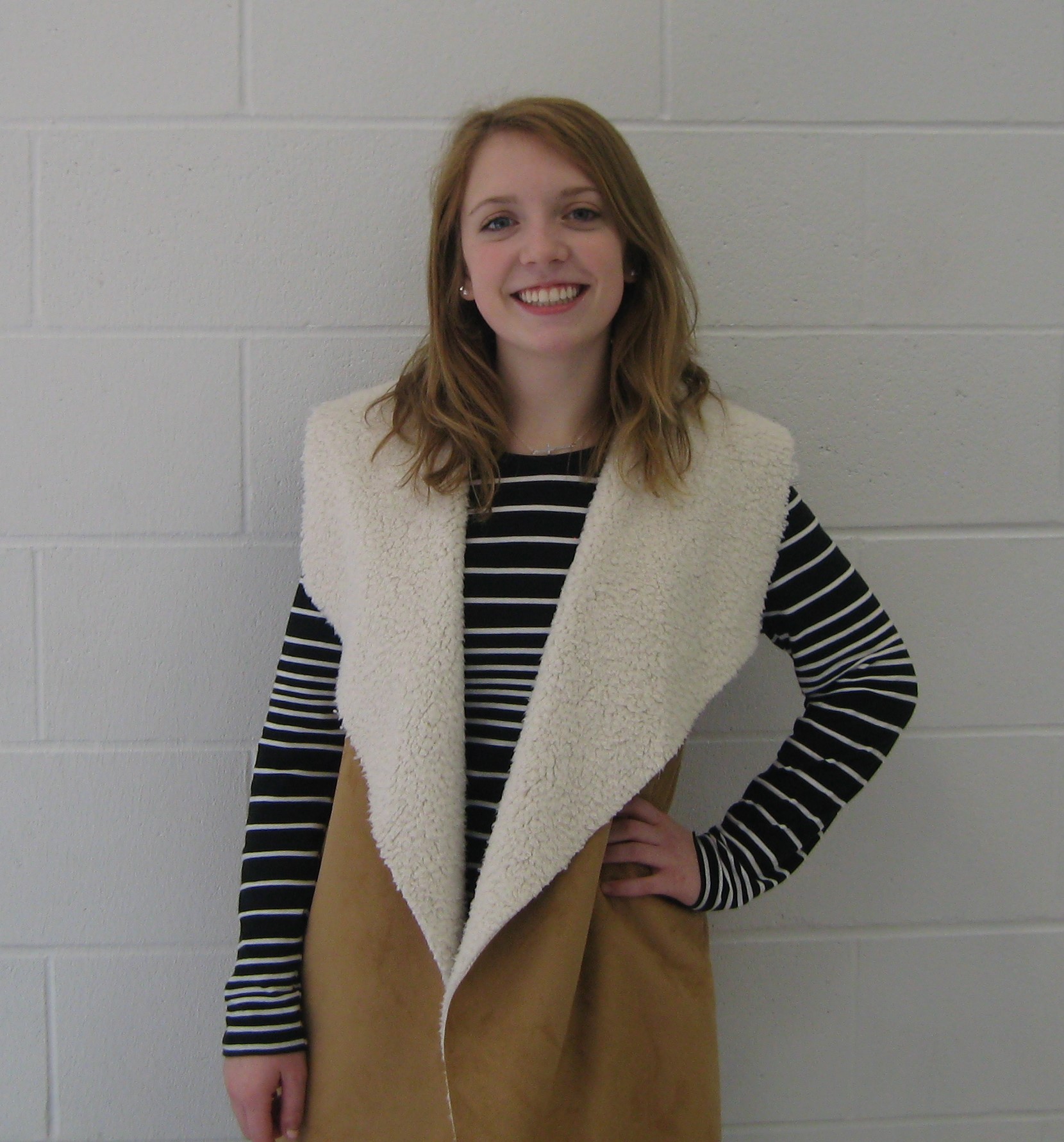
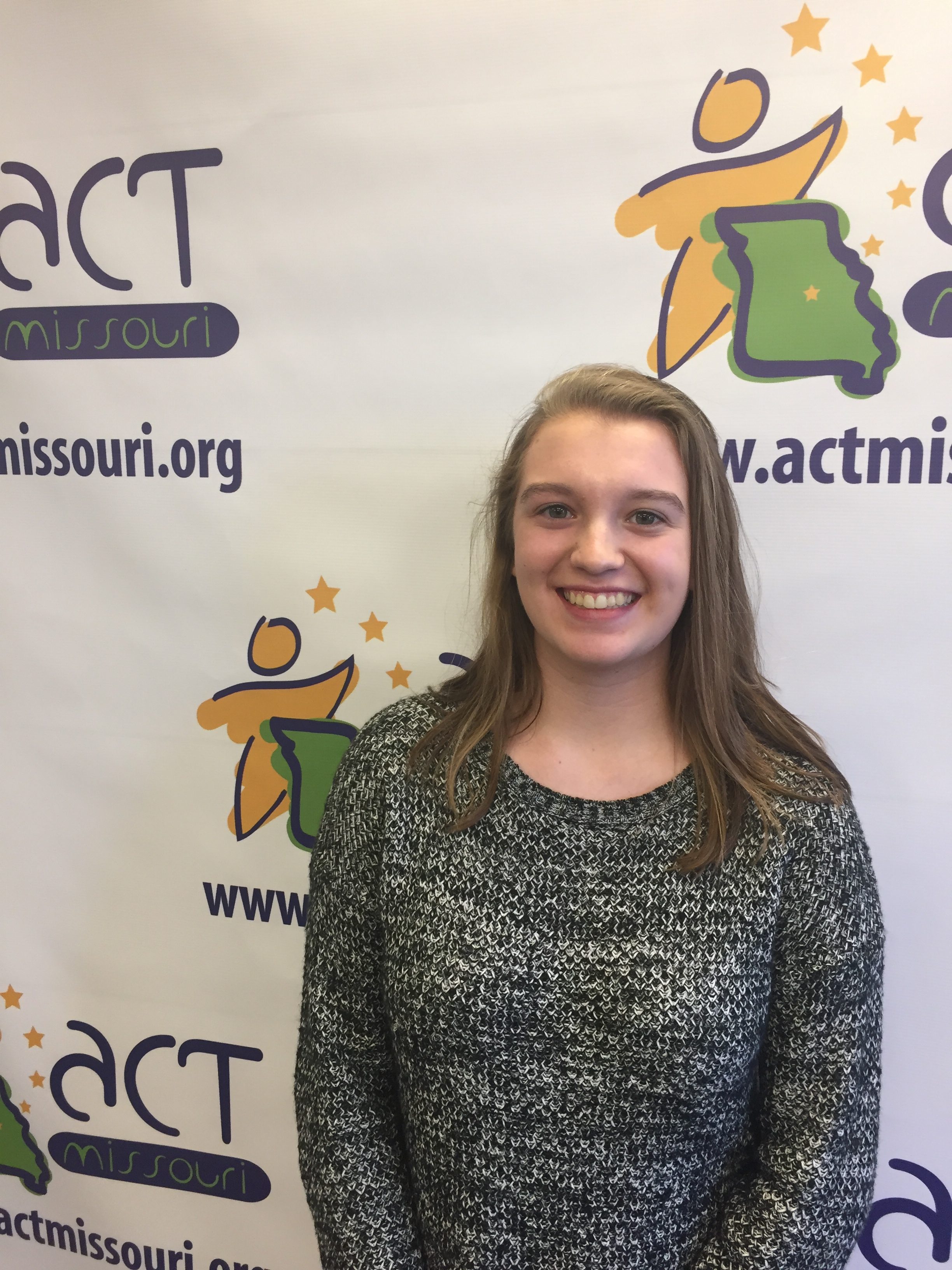
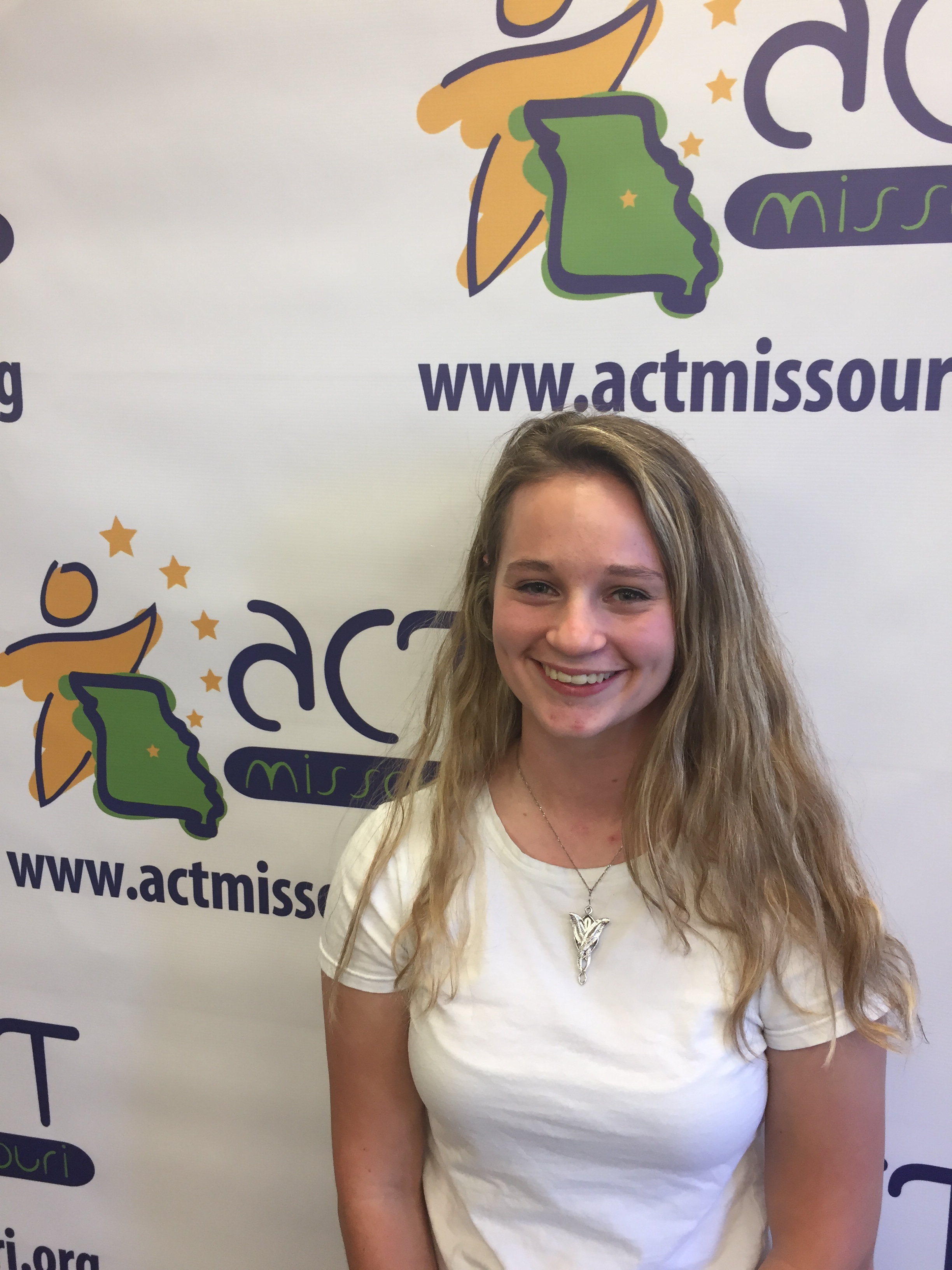
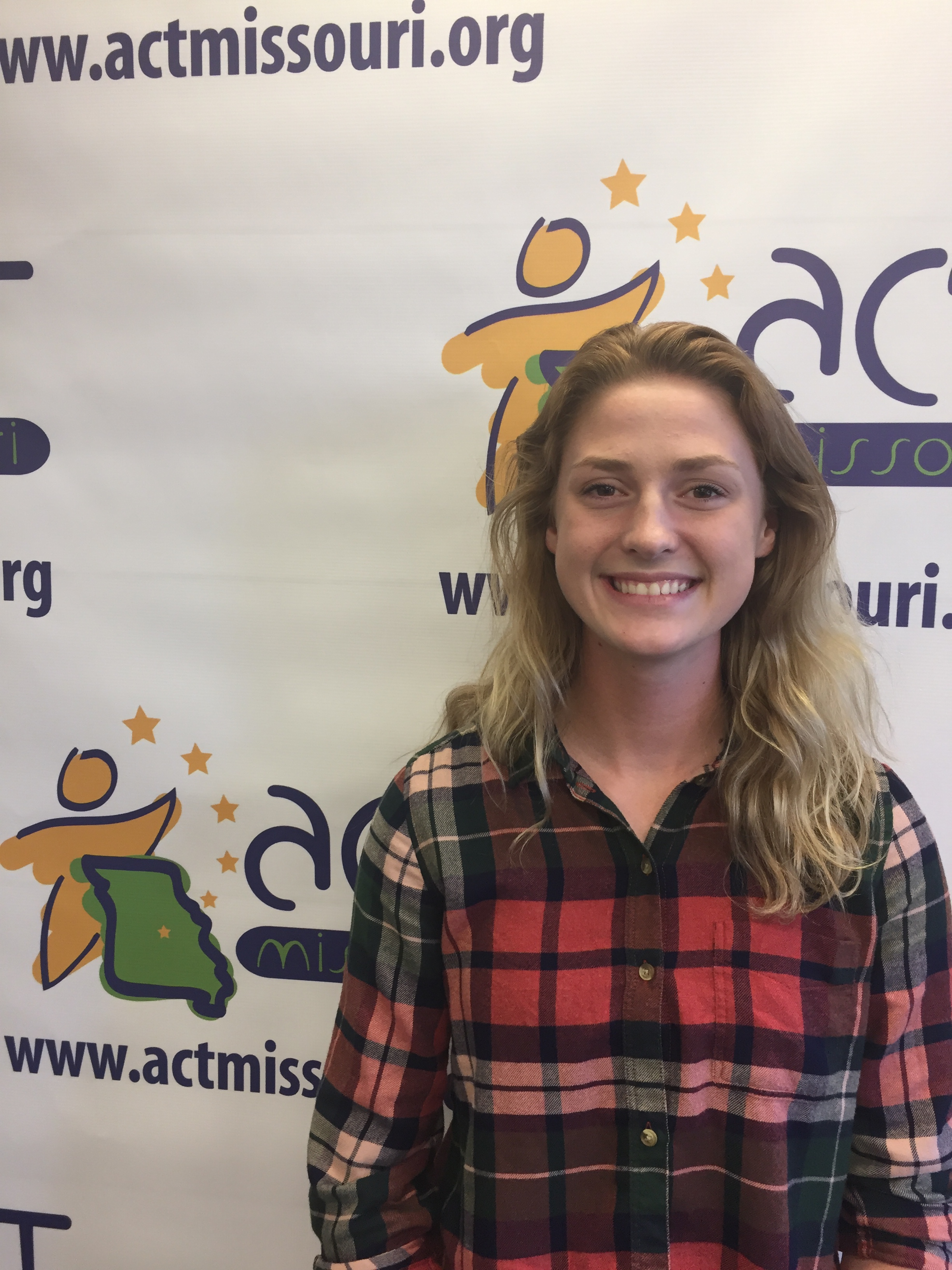
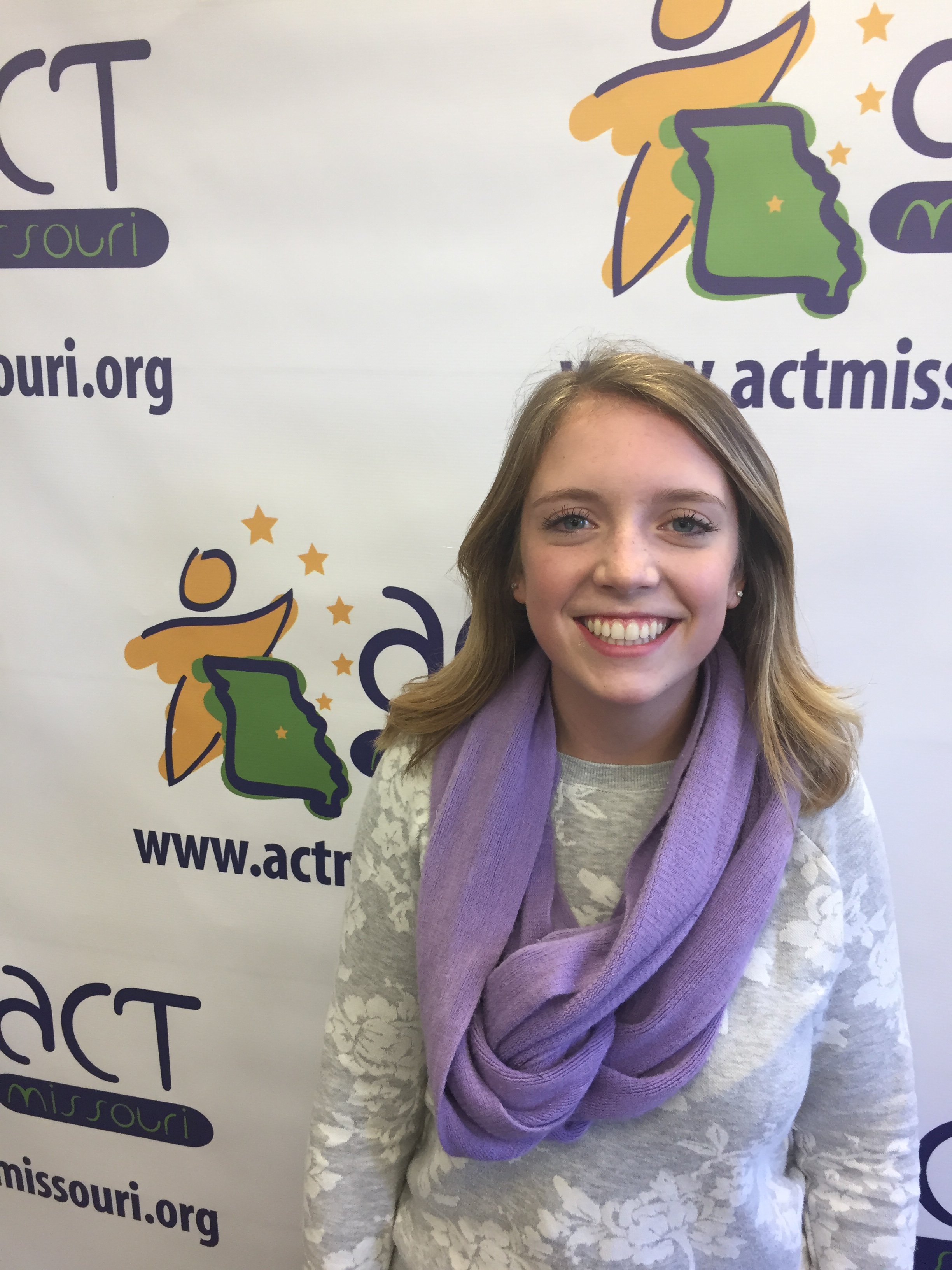
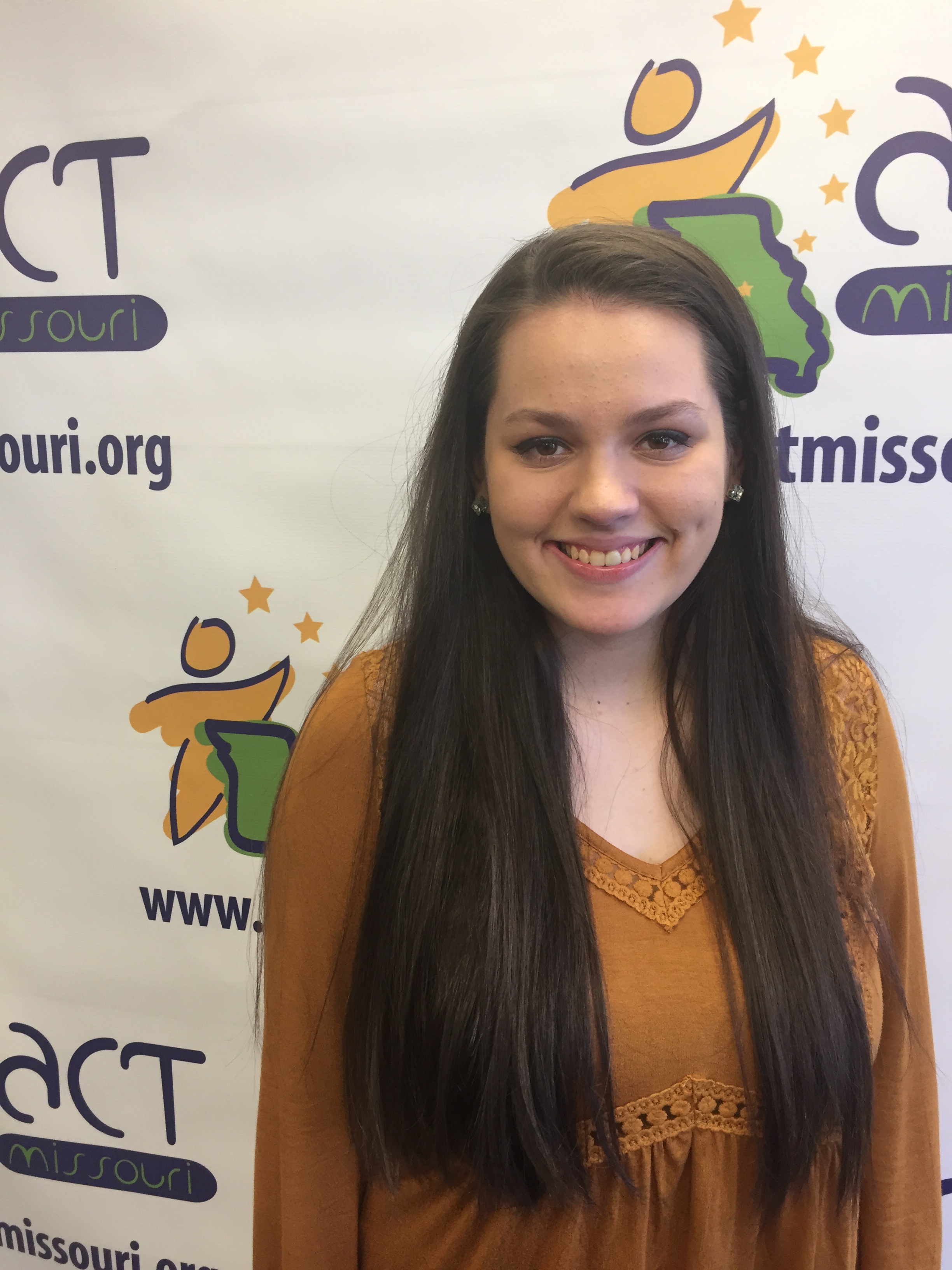
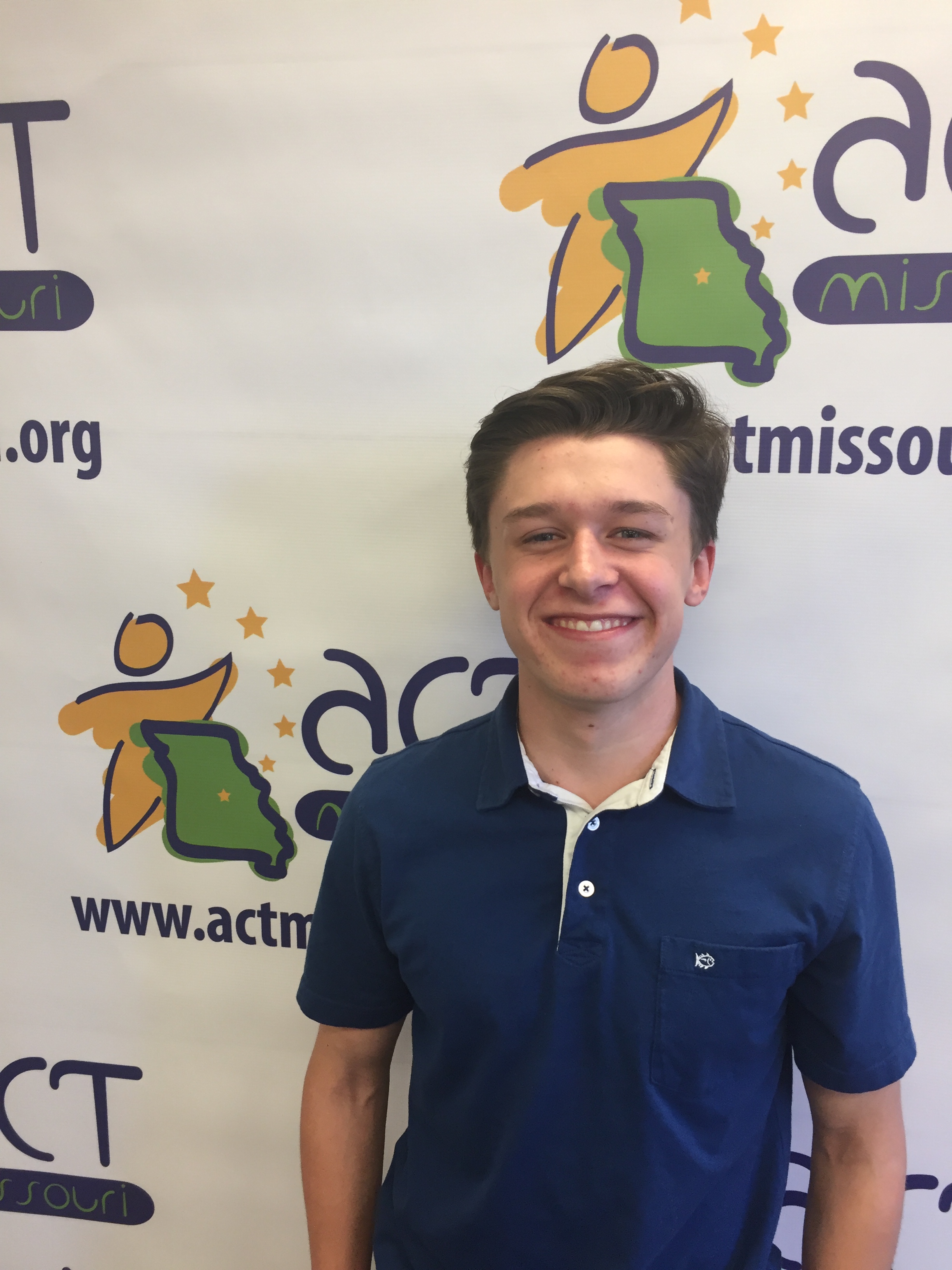
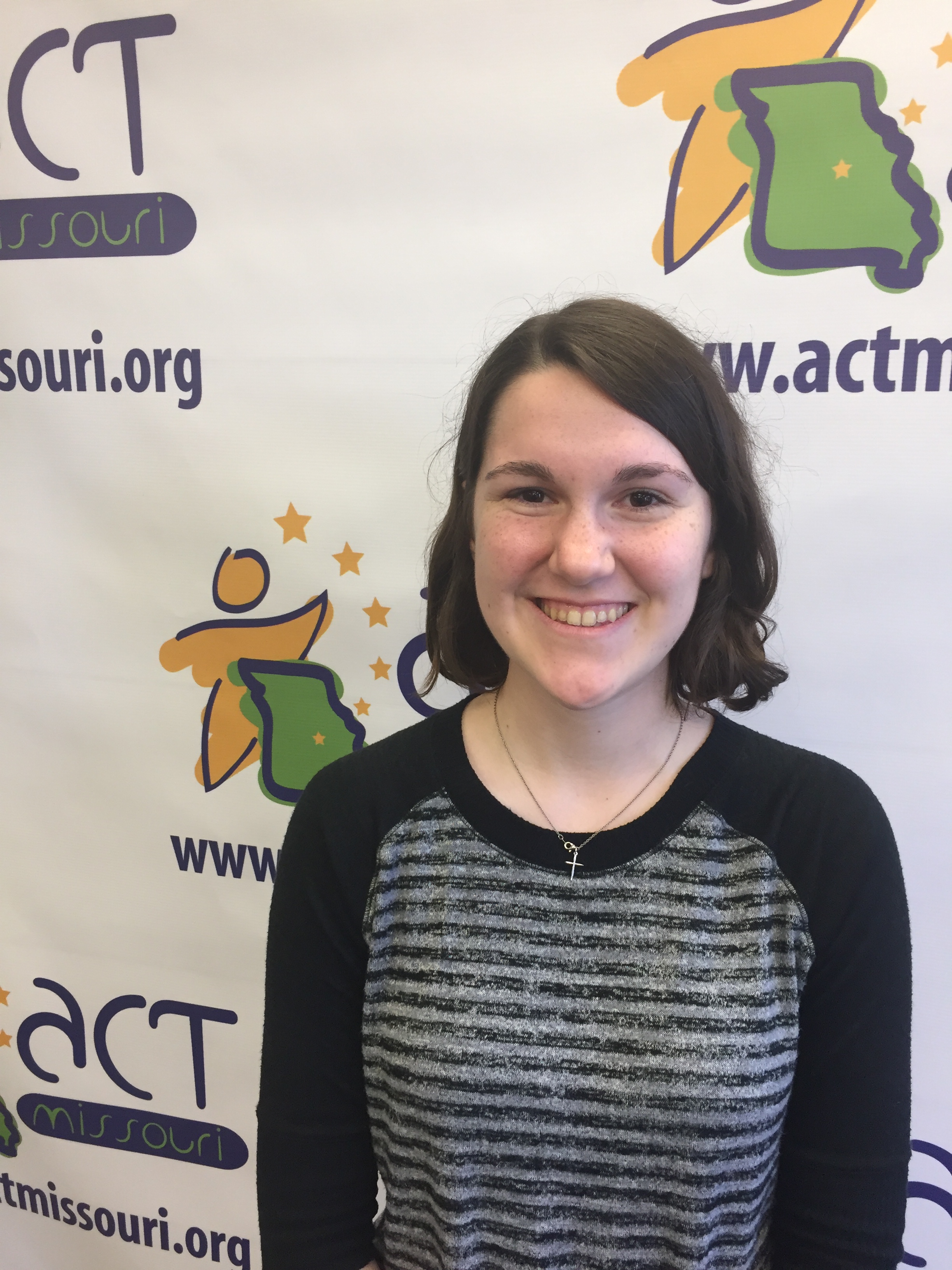
Click on each name to learn more about the 2017 Youth Ambassadors.

Lauryn Brenner
Junior, Calvary Lutheran
Hunter Deters
Senior, Morgan County R-II

Samantha Gunn
Senior, Calvary Lutheran
Hope Heimsoth
Junior, Morgan County R-II
Michelle Li
Junior, Marquette High School
Morgan Neal
Sophomore, Liberty North High School
Madeline Partridge
Senior, Eldon High School
Gunner Smith
Senior, Kennett High School
Abigail Ward
Senior, Calvary Lutheran High School
Katie Wollard
Junior, Webster Groves High School

  • « Previous Page
  • 1
  • 2
  • 3
  • 4
  • …
  • 10
  • Next Page »

Stay Connected

Get ACT Missouri emails and updates, so you know what's going on. Sign Up
  • Email
  • Facebook

Info For Our

  • Prevention Resource Centers
  • Caring Adults
  • Youth
  • Educators

ACT Missouri Blog

Dec 06

Prevention Happened Here!

Dec 03

National Drug Take Back Totals

May 26

Prevention Wins Were Lean in 2019

Contact Us

306 Marinas Avenue
Ashland, MO 65010-8217
phone: (573)864-1113
email: info@actmissouri.org

Prevention Resource Center Locator

Contact your local Prevention Resource Center to find out more about what’s going on in your community and how you can make a difference!
Get a map or see list of locations

Partners

  • Students Against Destructive Decisions (SADD)
  • Missouri Youth/Adult Alliance
  • Partnership for Drug-Free Kids

Important Info

  • About ACT Missouri
  • How To Get Involved
  • Mission, Vision, and Ways We Can Help
  • Programs, Partnerships, and Alliances
  • Disclosure

Privacy Policy

2016 © ACT Missouri

Loader